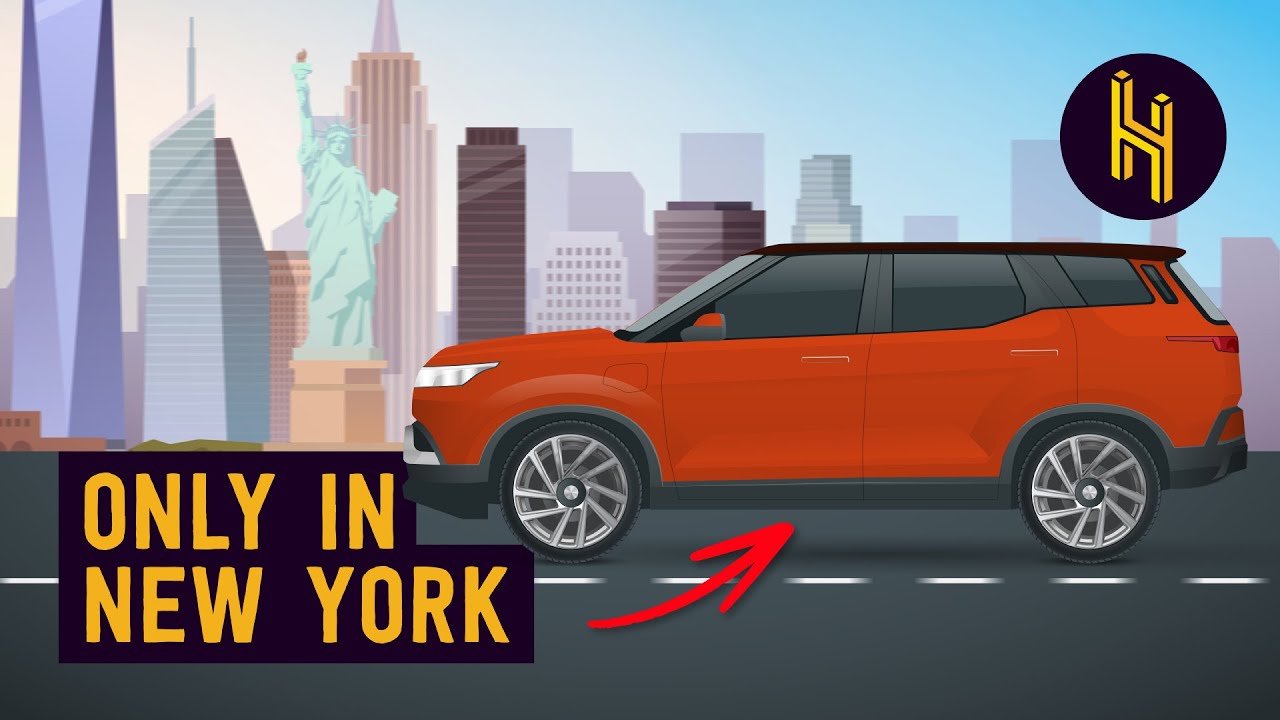
The Fisker Ocean was supposed to shake up the EV market. Instead, it became one of the fastest corporate meltdowns in automotive history — and now those unsold cars are ferrying passengers around New York City as Ubers and Lyfts. The story of how that happened is equal parts comedy and cautionary tale.
How Fisker Fell Apart So Fast
Fisker Inc. launched the Ocean in June 2023. Within six months, the NHTSA had opened multiple investigations. By February 2024, tech reviewer Marques Brownlee had published a scathing take, and Fisker slashed prices by nearly 40%. The company filed for bankruptcy in June 2024 — exactly one year after its first deliveries.
The Ocean's problems were real and varied: no cruise control, an unreliable key fob, driver doors that sometimes wouldn't open from the inside at speed, and non-compliant warning lights. Software management was so chaotic that some $70,000 cars were reportedly delivered without anyone collecting payment — and Fisker lost track of literal millions of dollars in the process.
From Bankruptcy Court to NYC Streets
When Fisker filed for Chapter 11, it still had 3,231 unsold Oceans sitting around. The court approved selling them at roughly $14,000 each. The buyer: American Lease, the biggest company in New York City that rents TLC-plated vehicles to rideshare drivers.
Why bet big on a fleet from a dead company? NYC's Green Rides Initiative. The city requires all rideshare vehicles to be wheelchair-accessible or zero-emission by 2030. American Lease mostly ran gas-powered Toyotas, and swapping the whole fleet for $40,000 Toyota EVs wasn't financially realistic. Fisker Oceans at $16,000 apiece? That math worked. American Lease ended up paying about $16K each for roughly 2,800 of them.
The Headaches That Came With the Deal
Buying a fleet of cars that run on orphaned software from a defunct company isn't simple. American Lease had to negotiate a software split: an outside firm called Indigo took over management for their specific Oceans, while the Fisker Owners Association — formed the very week Fisker declared bankruptcy — retained control over the rest of the world's Fiskers. It's not a problem you'd face buying a Camry.
Repairs go through BHP Service Center, a shop that bought up damaged Oceans and spare parts during the bankruptcy proceedings and now specializes in fixing this very specific out-of-production car. They're even manufacturing their own replacement parts — something Fisker itself never prioritized. Private owners who call looking for parts? BHP turns them away. American Lease only.
Is the Fisker Ocean Actually a Good Rideshare Car?
Oddly enough — maybe. Even Marques Brownlee, whose review helped accelerate Fisker's collapse, called it the "best backseat experience of any competitive EV." It's roomy, quiet, and has enough trunk space to haul your family's luggage from LaGuardia to midtown. American Lease expects each car to hit 150,000–200,000 miles, or about four years of rideshare duty.
Drivers rent the Oceans for as low as $280/month — cheaper than a Camry lease. The downsides: charging time eats into earning time, and California Mode — a feature that drops every window and the sunroof simultaneously — has been known to get stuck on. Getting trapped in open-air mode on the BQE in January sounds like a special kind of misery.
The Takeaway
The Fisker Ocean story isn't just about a bad car or a badly run company. It's a reminder that building an interesting EV is only half the job. If you can't manage software updates, replacement parts, and basic accounting, the most compelling vehicle on paper becomes someone else's problem — and in this case, New York City's most unusual taxi fleet.
This article was created with AI help. If you want to watch the original video, please visit the link below.